Coconut Fiber and Coir Products from Indonesia for Global Industries
Exploring the Versatility of Coconut Fiber
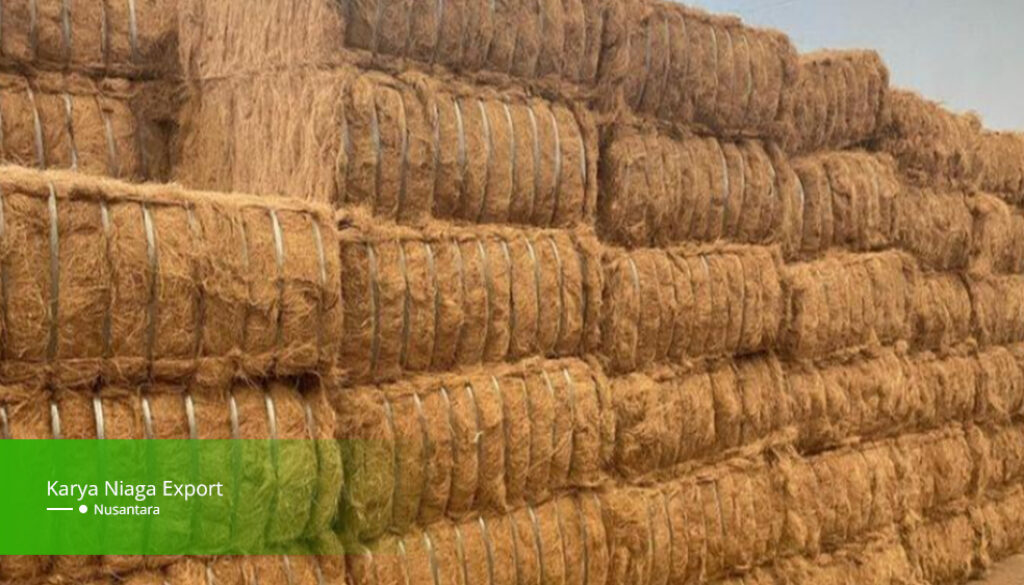
Coconut fiber, commonly known as coir, is a natural material obtained from the husk of coconuts. It is used in a variety of industries because its physical characteristics can suit applications involving gardening, landscaping, manufacturing, and selected civil engineering projects. As businesses continue to explore natural materials for different commercial purposes, coconut fiber offers opportunities to develop products from an agricultural resource. Indonesia’s coconut industry supports a diverse range of coconut-derived materials, creating opportunities for trading companies to connect local products with domestic and international buyers.
Coconut Fiber as a Valuable Natural Material
Coconut fiber is processed into different forms depending on its intended application, including loose fibers, processed strands, mats, and other manufactured products. Its characteristics vary according to fiber length, processing methods, moisture content, cleanliness, and grading. These factors can influence how the material performs in a particular manufacturing or agricultural application. For importers and industrial buyers, understanding the differences between coconut fiber grades is essential when establishing purchasing specifications. Clear communication about intended use helps ensure that the selected material is appropriate for production requirements and the expectations of the receiving market.
Coco Sheet for Horticulture and Landscaping
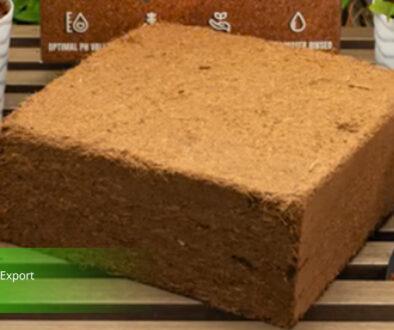
Coco Sheet is a sheet-form coconut coir product that can be used in selected horticultural, landscaping, and protective applications. Depending on its composition and construction, it may provide a practical natural-fiber material for projects requiring sheet-based coverage or surface protection. Buyers should consider the sheet’s dimensions, thickness, density, fiber composition, and intended installation method when evaluating available options. These characteristics influence product suitability for different applications. For commercial purchasing, detailed specifications and sample evaluations can help businesses determine whether a particular coco sheet meets their operational and technical requirements.
Coir Mulch Mats for Soil Coverage
Coir Mulch Mats are manufactured from coconut fibers and are commonly associated with landscaping, gardening, and selected soil-protection applications. These mats can help cover exposed soil surfaces, reduce direct exposure to environmental conditions, and support moisture management depending on their construction and installation. They may also be used in planting projects where vegetation needs assistance establishing across a prepared area. Performance depends on site conditions, slope, rainfall, mat thickness, anchoring methods, and other environmental factors. Landscape contractors and distributors should select products according to project specifications rather than assuming every mat offers identical performance.
Coconut Rope for Commercial and Decorative Applications
Coconut Rope is produced from coconut fibers formed into strands and twisted or otherwise assembled into rope products. Its natural appearance can make it suitable for selected decorative, gardening, landscaping, and manufacturing applications. The appropriate rope specification depends on factors such as diameter, fiber quality, construction, strength, and intended exposure conditions. Businesses purchasing coconut rope should identify whether the product is intended for decorative use, general handling, or a more demanding application. This distinction is important because natural-fiber rope should not automatically be assumed suitable for lifting, fall protection, or other safety-critical uses without appropriate testing and certification.
Coir Geotextile for Erosion-Control Projects
Coir Geotextile is a natural-fiber material used in selected landscaping, environmental restoration, and civil engineering projects. Depending on its design, it can help protect exposed soil, reduce surface erosion, and support vegetation establishment in suitable conditions. Project requirements may determine the preferred weave, mesh opening, weight, roll dimensions, and expected service life. Engineers, contractors, and project procurement teams should evaluate site conditions and technical specifications before selecting a product. Proper installation is equally important because anchoring, soil preparation, water flow, and vegetation type can influence the effectiveness of a coir geotextile system.
Coco Bristle for Brush Manufacturing and Industrial Uses
Coco Bristle refers to relatively coarse coconut fibers used in selected brush-making, cleaning, and manufacturing applications. Fiber stiffness, length, consistency, and cleanliness can influence its suitability for different finished products. Manufacturers may require specific grades depending on brush design, production equipment, and the intended cleaning or surface-contact application. Commercial buyers should communicate the desired fiber characteristics and packaging requirements before confirming an order. For suppliers and trading companies, understanding the intended manufacturing process can make product selection more precise and help establish clearer expectations between buyers and sellers.
Why Coconut Coir Products Attract International Buyers
Coconut coir products serve several market segments, including horticulture, landscaping, manufacturing, and selected construction-related applications. Their availability in different formats allows buyers to explore materials suited to specific projects rather than relying on a single product type. International sourcing, however, requires attention to product grading, moisture conditions, packaging durability, shipping arrangements, and destination-country regulations. Natural fibers may also require particular storage and handling practices to maintain their condition during transportation. Buyers benefit from confirming these requirements early, especially when ordering commercial quantities or developing recurring purchasing arrangements.
Sourcing Coconut Fiber Products from Indonesia
Indonesia’s coconut-based industries offer opportunities for businesses seeking natural fibers and related products for commercial use. Karya Niaga Export Nusantara includes Coconut Fiber, Coco Sheet, Coir Mulch Mats, Coconut Rope, Coir Geotextile, and Coco Bristle in its product portfolio. These categories serve different potential applications, allowing importers, wholesalers, distributors, and manufacturers to discuss their specific sourcing requirements. Product availability, technical details, packaging, and order quantities should be confirmed during the purchasing process. A well-defined product inquiry helps buyers assess whether a particular item is suitable for their market and operational needs.
Establishing Reliable Coir Product Supply Partnerships
Successful international trading involves more than identifying a product; it requires clear specifications, responsive communication, suitable documentation, and careful coordination between commercial partners. Businesses sourcing coconut fiber and coir products should consider these elements when evaluating suppliers and planning future orders. Karya Niaga Export Nusantara aims to support professional trading relationships by facilitating discussions about Indonesian natural products and buyer requirements. Companies interested in coconut fiber export, coir materials, landscaping supplies, or natural-fiber products can contact the company to explore available options and discuss potential cooperation based on their business objectives.