Cocopeat and Growing Media Export from Indonesia for Modern Agriculture
Meeting the Growing Demand for Sustainable Growing Media
Modern agriculture continues to evolve as growers, nurseries, greenhouse operators, and horticultural businesses seek practical solutions to improve cultivation efficiency. Growing media plays an important role in supporting plant development, managing moisture, and creating suitable conditions for root growth. Among the various materials available, cocopeat has become a widely recognized option because it is derived from coconut husks, an agricultural resource that can be processed into useful growing media. Karya Niaga Export Nusantara connects Indonesian cocopeat products with businesses looking for natural growing media solutions.
Understanding the Benefits of Cocopeat
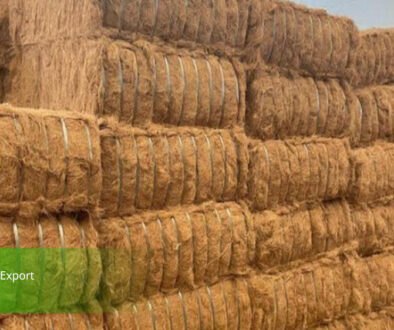
Cocopeat is produced from processed coconut husk fibers and is commonly used in horticulture, nurseries, greenhouse cultivation, and other agricultural applications. Its structure can help retain moisture while maintaining air spaces that support root development when properly prepared and managed. Cocopeat can also be blended with other growing media components according to specific crop requirements. For commercial growers, selecting the appropriate cocopeat specification is important because growing conditions, irrigation practices, and plant varieties can influence the performance of a cultivation system.
Cocopeat Block Low EC for Sensitive Cultivation Requirements
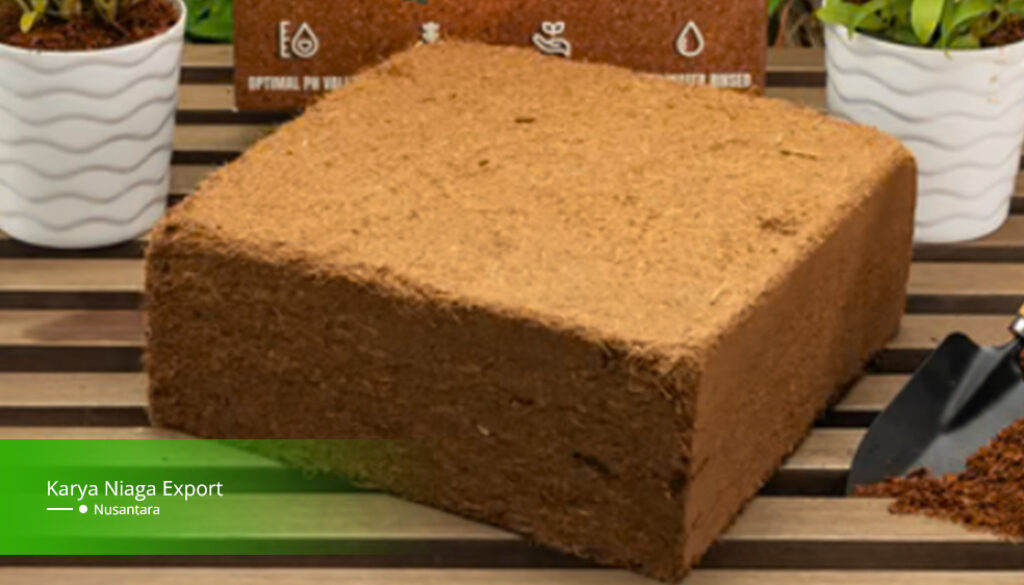
Cocopeat Block Low EC is a compressed growing medium designed for applications requiring a lower electrical conductivity level. Electrical conductivity indicates the concentration of soluble salts in a growing medium, making it an important consideration for growers managing sensitive crops. Low EC cocopeat can be suitable for horticultural applications where salinity management is a priority, although the final suitability depends on crop requirements and the product’s actual specifications. Buyers should consider conductivity measurements, moisture content, expansion characteristics, and any additional preparation requirements when evaluating products for commercial cultivation.
Cocopeat Block High EC for Specific Agricultural Applications
Cocopeat Block High EC provides another option for businesses evaluating growing media with different conductivity characteristics. Depending on the intended application, buyers may require products with particular physical and chemical properties to match their cultivation systems. High EC cocopeat should be assessed carefully because excessive soluble salts can affect plant development, particularly for salt-sensitive crops. Washing, buffering, or other preparation methods may be necessary depending on the product and its intended use. Understanding these requirements helps agricultural businesses select suitable materials and establish appropriate growing media management practices.
Grow Bags and Practical Cultivation Systems
Grow bags provide a convenient format for organizing plants in greenhouses, nurseries, and commercial growing environments. They can support structured cultivation layouts and help growers manage planting density, irrigation, and available space. Depending on their construction and intended use, grow bags may be supplied as containers or as part of a growing media system. Buyers should evaluate dimensions, material strength, drainage characteristics, packaging, and compatibility with their cultivation methods. Selecting an appropriate grow bag format can contribute to more organized agricultural operations and simplify routine plant management.
Cocopeat Polybags and Ready-to-Use Growing Media
Cocopeat Polybag Low EC offers a practical format that combines coconut-based growing media with convenient packaging. This type of product may be useful for nurseries, plant propagation businesses, and growers seeking a prepared growing medium in an accessible container format. Cocopeat Growbag products in 2.5 kg and 5 kg sizes provide additional options for buyers who need different product quantities or handling formats. Before placing an order, buyers should confirm the net weight, dimensions, moisture level, packaging material, and whether the product is supplied compressed, expanded, or ready for direct cultivation.
Choosing the Right Cocopeat Product for Your Business
Selecting the right cocopeat product requires consideration of the target crop, cultivation environment, irrigation system, and desired growing media characteristics. Low EC products may be preferred for applications that require careful salinity management, while other specifications may suit different operational requirements. Product size and packaging also influence storage, handling, and transportation efficiency. Importers and distributors should establish clear purchasing specifications before sourcing cocopeat in commercial quantities. A detailed discussion of intended use helps suppliers and buyers align expectations and reduce the possibility of receiving products that do not match operational needs.
Indonesian Coconut Resources and International Market Opportunities
Indonesia has a substantial coconut industry that provides raw materials for various coconut-derived products, including cocopeat and coconut fiber. Processing coconut husks into commercial materials creates opportunities to use agricultural resources for additional applications beyond conventional food products. International demand for horticultural supplies, nursery materials, and growing media creates potential opportunities for Indonesian suppliers and trading companies. However, successful export operations depend on product consistency, suitable packaging, accurate documentation, and compliance with destination-market requirements. Buyers should assess these factors alongside product specifications when developing an international sourcing strategy.
Working with Karya Niaga Export Nusantara
Karya Niaga Export Nusantara offers a range of cocopeat and growing media products for businesses exploring Indonesian agricultural materials. Its product portfolio includes Cocopeat Block Low EC, Cocopeat Block High EC, Grow Bag, Cocopeat Polybag Low EC, Cocopeat Growbag 2.5 kg, and Cocopeat Growbag 5 kg. The company welcomes discussions regarding product specifications, packaging preferences, order quantities, and potential trading arrangements. By communicating requirements clearly at the beginning of the sourcing process, buyers can better evaluate available options and identify products that suit their commercial objectives.
Building Long-Term Partnerships in the Growing Media Industry
Reliable sourcing is an important part of maintaining continuity in agricultural production and distribution. Businesses purchasing cocopeat need to consider more than the initial product price; they should also evaluate specification consistency, packaging suitability, communication, and the ability to coordinate commercial requirements. Karya Niaga Export Nusantara aims to build professional relationships with importers, wholesalers, distributors, and agricultural businesses seeking products from Indonesia. For companies interested in cocopeat export, growing media supplies, or coconut-based agricultural materials, establishing a clear and cooperative sourcing process can provide a foundation for sustainable business development.